If you are looking for a spring fence inspection checklist in Ottawa, the goal is simple: find small issues before they turn into larger repair or replacement problems. Spring is one of the best times to inspect a fence because snow, moisture, freeze-thaw movement, and wind exposure can leave behind damage that is easy to miss during winter.
A fence can still look fine from a distance while already showing early signs of movement, wear, loose sections, or finish decline. That is why a proper spring inspection matters. It helps homeowners catch visible issues, plan maintenance, and decide whether the fence still makes sense long term.
If you are already comparing repair or replacement directions, West Wholesale has pages for fencing in Ottawa, vinyl fence Ottawa, vinyl PVC fencing Ottawa, and hybrid fence.
Direct Answer
A spring fence inspection should focus on posts, panels, gates, alignment, movement, visible wear, and overall appearance. The goal is to identify winter-related damage early, understand whether the fence only needs minor attention, and decide whether it still matches your privacy, durability, and maintenance goals.
Why Spring Is the Best Time to Check Your Fence
Spring is when winter damage starts to show clearly. Once the snow is gone and the ground is visible again, homeowners can inspect the full fence line, gate operation, panel condition, and any subtle movement that developed over colder months.
This matters because Ottawa fences deal with:
- freeze-thaw cycles
- moisture buildup
- shifting ground
- wind exposure
- snow contact along the lower fence line
- gradual wear that becomes easier to spot in spring light
A quick walk around the yard is helpful, but a more intentional inspection gives you a much better idea of what needs attention.
Spring Fence Inspection Checklist at a Glance
| Inspection Area | What to Look For | Why It Matters |
|---|---|---|
| Posts | Leaning, movement, looseness | Post issues affect the whole fence line |
| Panels or sections | Cracks, shifts, separation, uneven lines | Visible damage can spread if ignored |
| Gate | Dragging, sticking, sagging, poor latch fit | Gates often show early signs of alignment issues |
| Bottom edge | Moisture exposure, dirt buildup, wear near grade | Lower sections often take the most seasonal stress |
| Surface appearance | Fading, staining, finish wear, visible aging | Appearance issues may signal deeper wear or just maintenance needs |
| Overall privacy and design | Weak spots, outdated sections, inconsistent style | Spring is a good time to decide whether to repair or upgrade |
1) Start With the Fence Posts
Fence posts are one of the most important places to start because they affect the alignment and stability of the whole system.
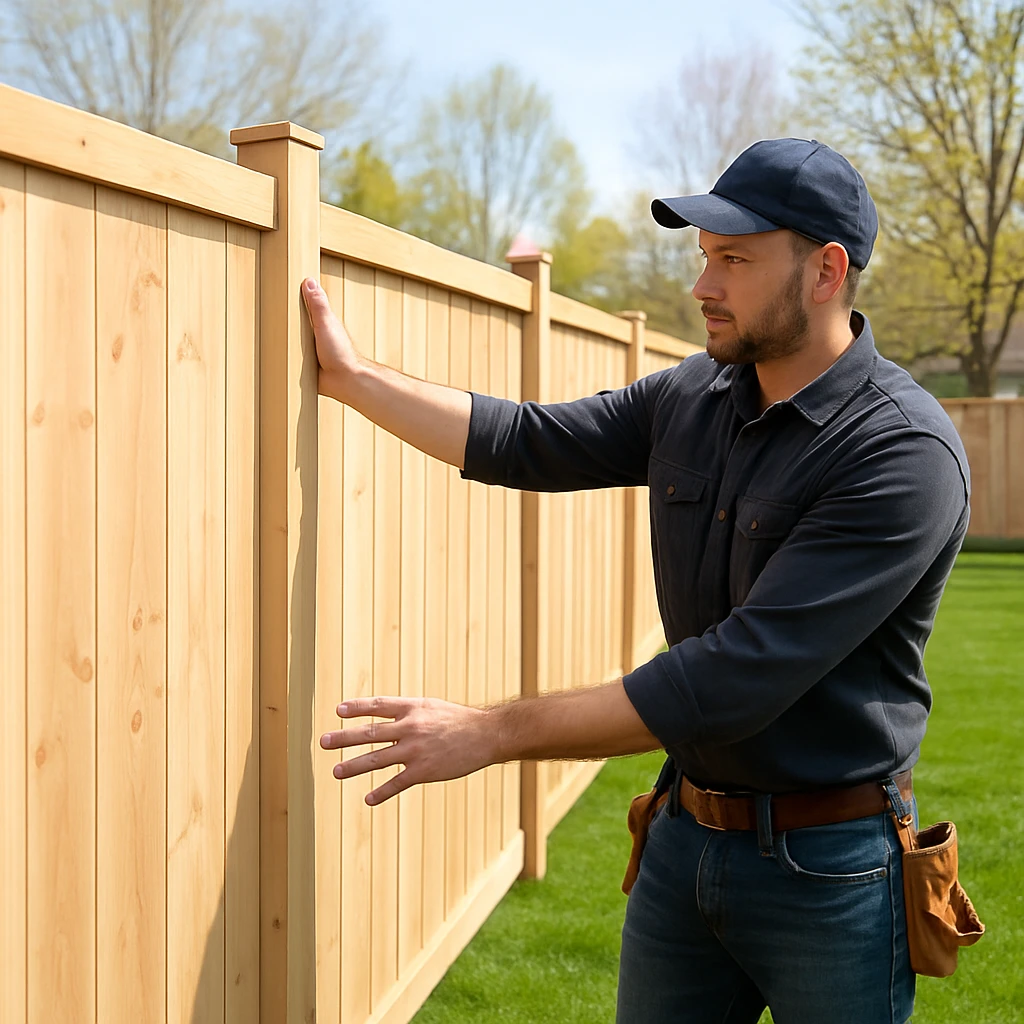
Walk the fence line and look for:
- leaning posts
- visible movement
- misalignment from one section to the next
- signs that one area is no longer sitting evenly
Even if the panels still look mostly fine, post movement can be an early sign that the fence is starting to lose its long-term strength or uniform appearance.
2) Check Panels and Sections for Shifting
Next, step back and look at the fence line as a whole. Then move closer and inspect each section more carefully.
Look for:
- panels that no longer line up cleanly
- sections that appear uneven
- visible gaps or shifting
- parts of the fence that no longer look consistent
This is especially important if privacy is a priority. Once sections begin to shift or separate, the fence may still stand, but it may no longer perform or look the way you want.
If privacy is still your main decision factor, West Wholesale’s vinyl fence Ottawa page is a useful internal next step.
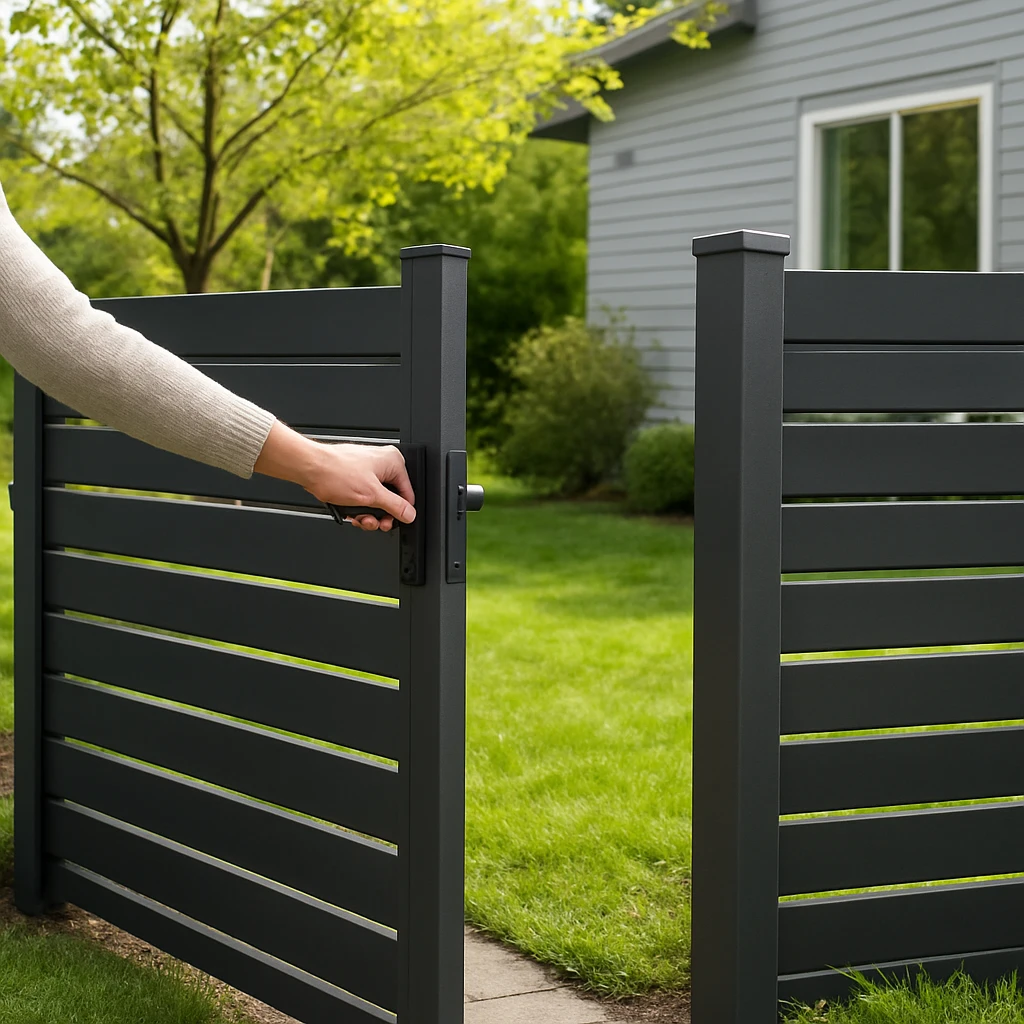
3) Test the Gate
Fence gates often reveal problems faster than the rest of the fence because they move, open, close, and carry daily wear differently than fixed sections.
Check whether the gate:
- opens smoothly
- closes properly
- lines up with the latch
- drags at the bottom
- looks level from top to bottom
A gate that suddenly feels off in spring may point to seasonal movement or a fence line that is starting to shift.
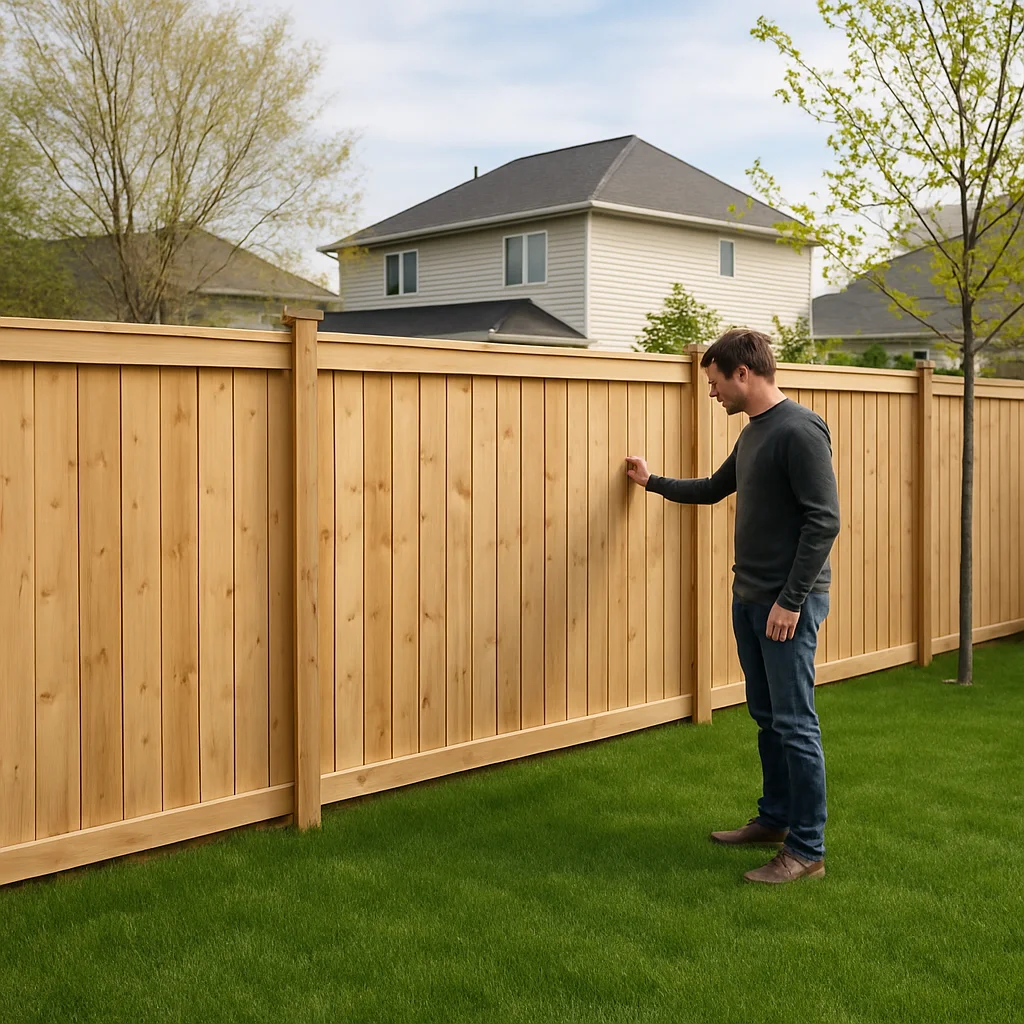
4) Inspect the Bottom of the Fence Line
The lower edge of a fence often takes more seasonal exposure than homeowners realize. That is where moisture, snow contact, dirt accumulation, and surface wear tend to show up first.
Pay attention to:
- buildup near the base
- visible wear along the bottom edge
- lower sections that look older than the rest
- areas where the fence meets uneven ground
This does not always mean replacement is needed. But it is one of the best places to spot how well the fence came through winter.
5) Review the Overall Appearance
Spring is also the best time to ask whether the fence still looks the way you want it to.
A fence may still be functional but no longer feel like a good visual fit. You may notice:
- uneven aging
- inconsistent style from older sections
- a fence that looks more tired than the rest of the yard
- a finish or design that no longer matches the home
That is where inspection becomes more than maintenance. It becomes a chance to decide whether the fence still supports the look of the property.
For homeowners who want a more updated design direction, West Wholesale’s hybrid fence page is a strong internal option to review.
6) Think Beyond Repairs: Does the Fence Still Fit Your Property?
A spring inspection is not only about damage. It is also a good time to think about whether the fence still matches your current goals.
Ask yourself:
Is privacy still the main goal?
If yes, full-panel modern systems may still be the best fit.
Do you want a cleaner, more updated appearance?
If yes, this may be the season to compare upgrade options.
Are you tired of maintenance?
If yes, it may be worth looking more closely at lower-maintenance systems.
Does the fence still suit the home?
If not, spring is a natural time to plan a better long-term replacement.
For homeowners comparing clean, modern, lower-maintenance options, West Wholesale’s vinyl PVC fencing Ottawa page is one of the most relevant internal resources.
Common Spring Fence Problems Homeowners Notice
Some of the most common fence issues that show up in spring include:
- slight leaning or movement
- gate misalignment
- sections that no longer feel uniform
- visible wear near the bottom of the fence
- reduced visual appeal after winter exposure
- old fence styles feeling dated compared with the rest of the property
Not every issue means replacement, but spring is the ideal time to assess which problems are minor and which ones suggest a larger upgrade is worth planning.

Repair, Refresh, or Replace?
This is usually the real question behind a spring inspection.
Minor Repair May Be Enough When:
- the fence line is still stable overall
- issues are isolated
- the fence still suits the property
- the appearance is still strong
A Refresh May Make Sense When:
- the fence is structurally fine
- the main issue is visual wear
- you want to improve the look without changing the system
Replacement May Be Better When:
- the fence line has broader movement
- the gate and sections are no longer working well together
- privacy has been reduced
- the fence feels dated or inconsistent
- you want a lower-maintenance upgrade
If you are reaching that point, West Wholesale’s main fencing in Ottawa page is the best next-step internal link.
CTA: If your spring inspection is showing more than a few small issues, visit West Wholesale’s fencing in Ottawa page and compare better long-term options.
Why Spring Is a Smart Time to Plan a Fence Upgrade
Spring is often the best time to move from inspection into action because homeowners can assess the full yard, compare materials clearly, and plan improvements before peak outdoor season is fully underway.
It is also the time when many people start paying more attention to:
- backyard privacy
- curb appeal
- outdoor entertaining space
- the overall condition of the property
That makes spring a practical moment not just for maintenance, but for upgrading to something that better matches the home.
Long-Term Confidence Matters Too
If you are comparing a new fence system after your spring inspection, it is worth looking beyond style alone. Product quality and long-term confidence matter too.
That is why it also helps to review West Wholesale’s warranty page when comparing next-step options.
CTA: If you want help deciding whether your fence needs a repair, a refresh, or a full upgrade, reach out through West Wholesale’s contact page.
Final Thoughts
A spring fence inspection in Ottawa is one of the easiest ways to catch small issues early and decide what your property really needs for the season ahead.
The smartest inspection looks at more than damage. It also asks whether the fence still delivers the privacy, appearance, and lower-maintenance ownership you want long term.
If the answer is no, spring is a good time to plan something better.
To keep comparing options, review vinyl fence Ottawa, explore hybrid fence, or contact West Wholesale through their contact page.
Frequently Asked Questions
What should I check on my fence in spring?
Check posts, panels, gates, alignment, bottom-edge wear, and the overall appearance of the fence after winter.
Why is spring the best time to inspect a fence?
Spring makes it easier to see movement, wear, gate issues, and overall fence condition after snow and winter exposure are gone.
How do I know if my fence needs replacement?
If the fence has broader movement, repeated alignment problems, reduced privacy, or an outdated appearance, replacement may make more sense than minor repairs.
Should I inspect a vinyl or PVC fence every spring?
Yes. Even lower-maintenance fence systems should still be checked seasonally so you can spot small issues early and keep the fence looking its best.
What is the first sign that a fence line is shifting?
One of the earliest signs is often a gate that no longer opens or closes smoothly, followed by sections that look slightly uneven.