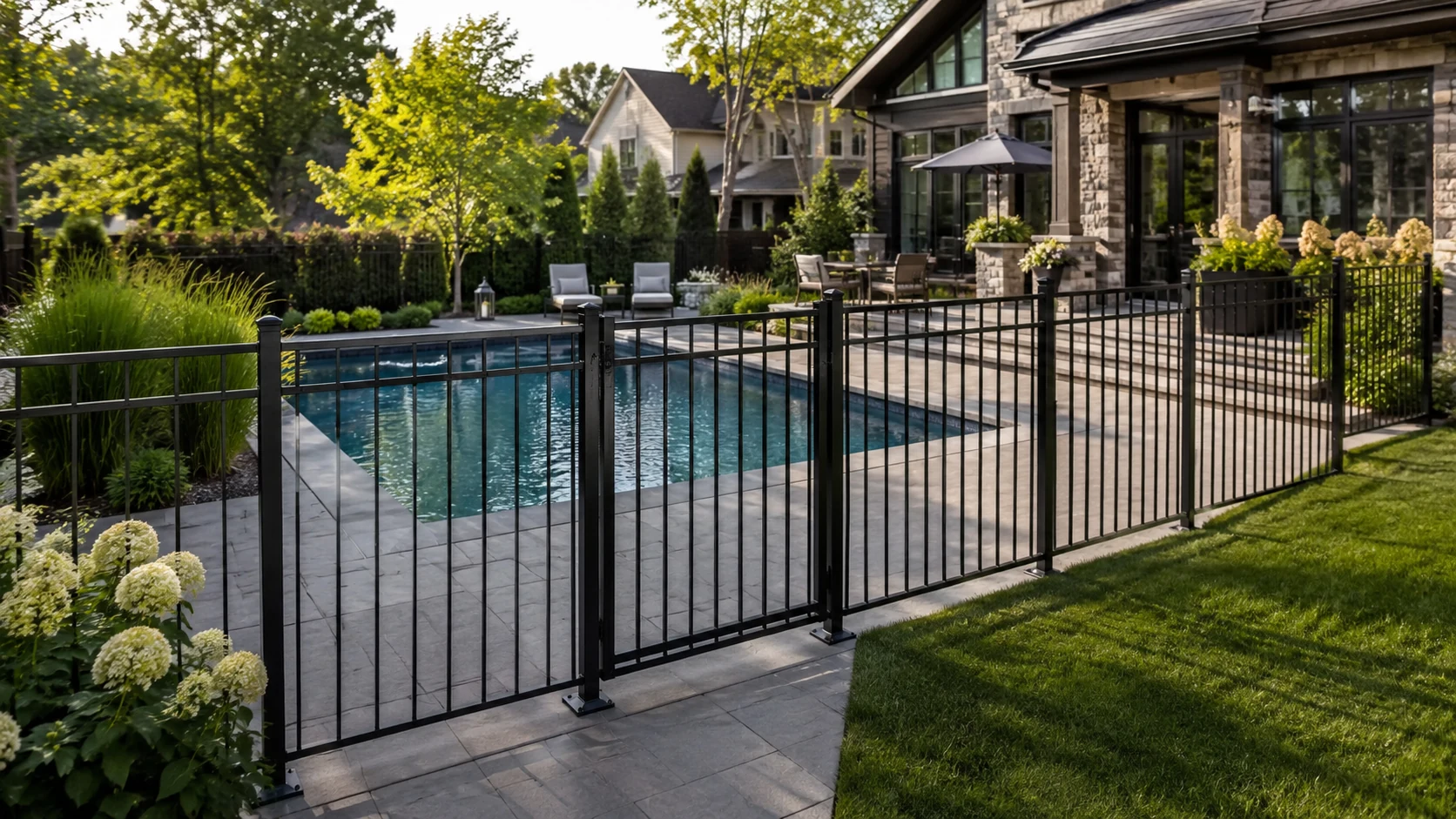

WHAT TO CONSIDER WHEN CHOOSING PET-FRIENDLY FENCING?
For serious pet owners, the safety of their canine companions is a top priority. As the days get longer and summer approaches, more individuals are exploring ways to transform their outdoor living spaces for the entire family, including pets. When it comes to choosing the right fencing for dogs, there is no shortage of options. Many people are left wondering: what kind of fence is considered pet-friendly fencing?
When it comes to choosing new pet-friendly fencing, the most important thing homeowners should consider is their dog. Breed, size, and personality all play a role in determining which sort of fence is ideal for their pets.

THINK ABOUT YOUR DOG’S NEEDS
Regardless of breed, each dog has its own personality traits. Before buying a pet-friendly fence, homeowners should spend plenty of time watching their dogs in the outside world. Dogs may act differently if left alone in the yard than when they are following their owners about. Before investing in a fence, find out about the personality and outdoor habits of your pet.
Another thing to think about is the fence’s intended use. If the fence is only required for peace of mind while homeowners are on the premises, they may choose a different type of fence than one that must be kept unsupervised for lengthy periods of time.
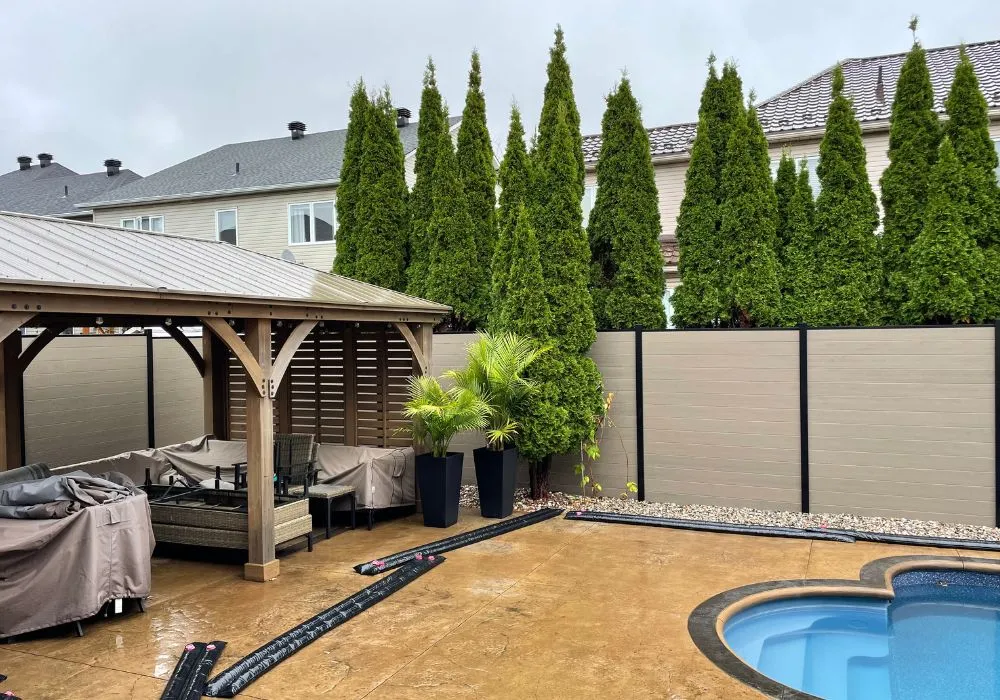
WHAT ARE THE DIFFERENCES BETWEEN WOOD AND PVC/VINYL FENCING FOR PETS?
Many people continue to prefer wooden fence because of the degree of seclusion it provides.
While this privacy is beneficial to the family’s human members, certain dogs, depending on personality, will be more inclined to attempt to smash through the boards due to their line of view being blocked. Many dogs chew on the boards since they love to chew. This may be due to a number of reasons, including the fact that many breeds of dogs, especially Labradors, Retrievers, and Beagles, like to chew on wood. The frequent answer is to install a stronger fence.
Wood fences can also develop weakening over time. Maintaining them on a yearly basis is advised, while complete replacement may be necessary after year 15, depending on the climate and care. Boards that have begun to decay and warp are significantly simpler for dogs to break through and escape once they begin to rot and buckle.
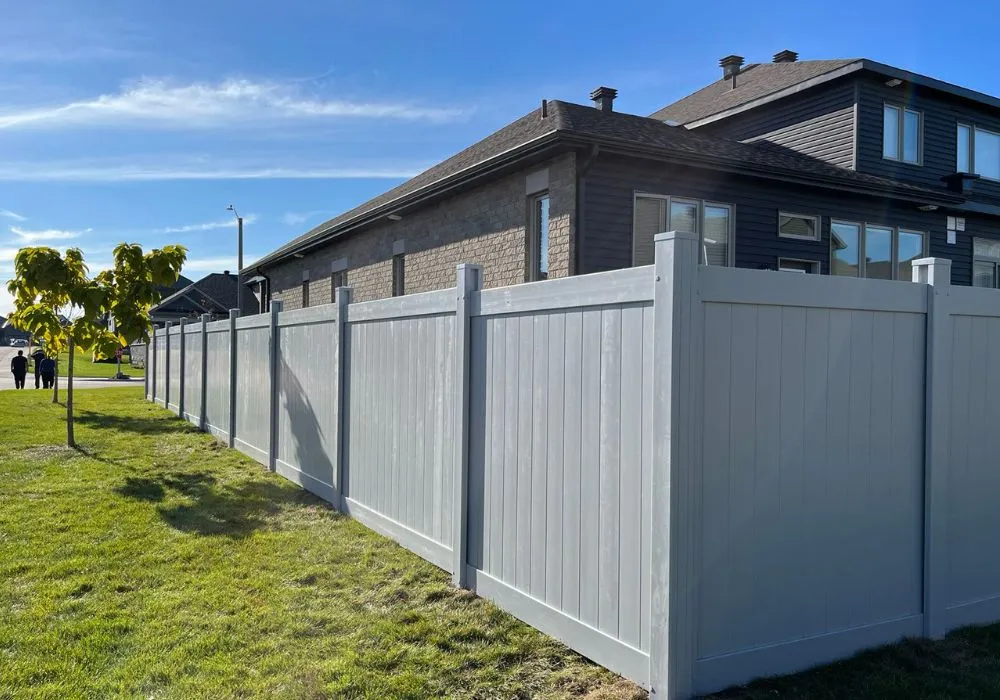
Vinyl and PVC fences, on the other hand, provide the same degree of seclusion as traditional wood fences without requiring any upkeep. Weather- and scratch-resistant, this choice can endure additional wear and strain from some dogs.